


Cancer affects one in two people over the course of their lifetime. While screening technologies continue to advance, only about half of Japan's eligible population undergoes regular cancer screening. Even the most sophisticated technology cannot enable early detection if people do not get tested.
This is the challenge that Craif is tackling. The company has developed miSignal, a urine-based cancer risk test that analyzes urinary microRNA using AI to assess the risk of ten different types of cancer—including pancreatic cancer—on a cancer-specific basis.
But Craif's ambition extends far beyond developing diagnostic technology. Its goal is to make cancer screening a routine part of everyday life, enabling more people to benefit from early detection. As part of that mission, the company is now accelerating its expansion beyond Japan, with a strong focus on the United States.
Why did Craif choose the U.S. as its next destination? And what lessons has the company learned along the way? We spoke with Miga Mizunuma, Ph.D., Chief Operating Officer (COO) of Craif.
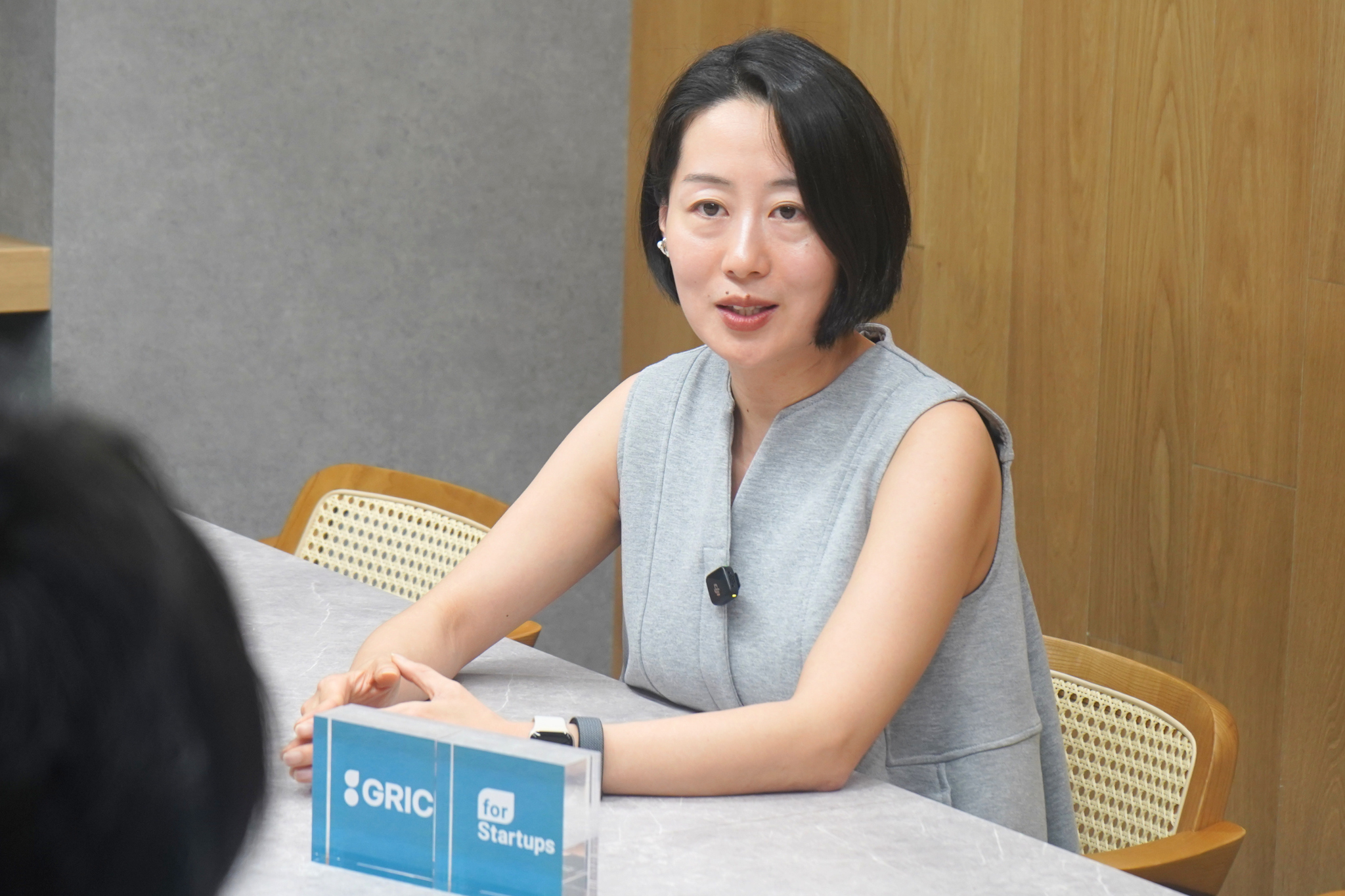
Miga Mizunuma, Ph.D.
Chief Operating Officer (COO), Craif
After graduating from the Faculty of Pharmaceutical Sciences at Kyoto University, Mizunuma earned a Ph.D. in Pharmaceutical Sciences from the University of Tokyo. He joined AstraZeneca, where he was involved in launch preparation and strategy development for new products, before working at McKinsey & Company on strategy projects in the pharmaceutical and medical device sectors. In 2017, he founded a digital health company and served as CEO, providing online medication counseling services. He joined Craif in October 2019.
Developing Technology Alone Will Not Make Early Detection Possible

Craif's vision is "Realizing a Society Where People Can Live Out Their Natural Lifespans." The company's current primary focus is the early detection of cancer.
Japan's cancer screening rate is approximately 50%, falling short of the national target of 60%.
"Cancer is a disease in which early detection increases the likelihood of survival. However, many people in Japan do not undergo screening in the first place."
Based on the hypothesis that there are a certain number of people who would like to be tested at home even if they do not have time to visit a hospital, Craif developed a urine-based cancer risk test.
However, Mizunuma emphasizes that developing the testing technology is not the company's goal.
"No matter how good the testing technology is, it will not lead to early detection unless it becomes established in society. We believe it is important to take responsibility not only for developing the technology but also for delivering it to end users."
Today, miSignal is available not only through hospitals, but also through publicly funded municipal programs, pharmacies, and department stores—bringing the service closer to people's daily lives.
Looking beyond technology development alone and toward social implementation is one of Craif's defining characteristics.
The United States Was in the Company's Plans from the Beginning. However, Those Plans Were Delayed by Five Years
Global expansion was part of the company's plans from the time of its founding. Mizunuma explains why the company placed particular emphasis on the United States.
"In Japan's universal healthcare system, tests for the early detection of cancer are not covered. In contrast, in the United States, if effectiveness is demonstrated, adoption may expand through insurance coverage. In addition, the United States is the world's largest healthcare market, and the way new medical technologies are clinically implemented and reimbursed has a major influence on the formation of global standards."
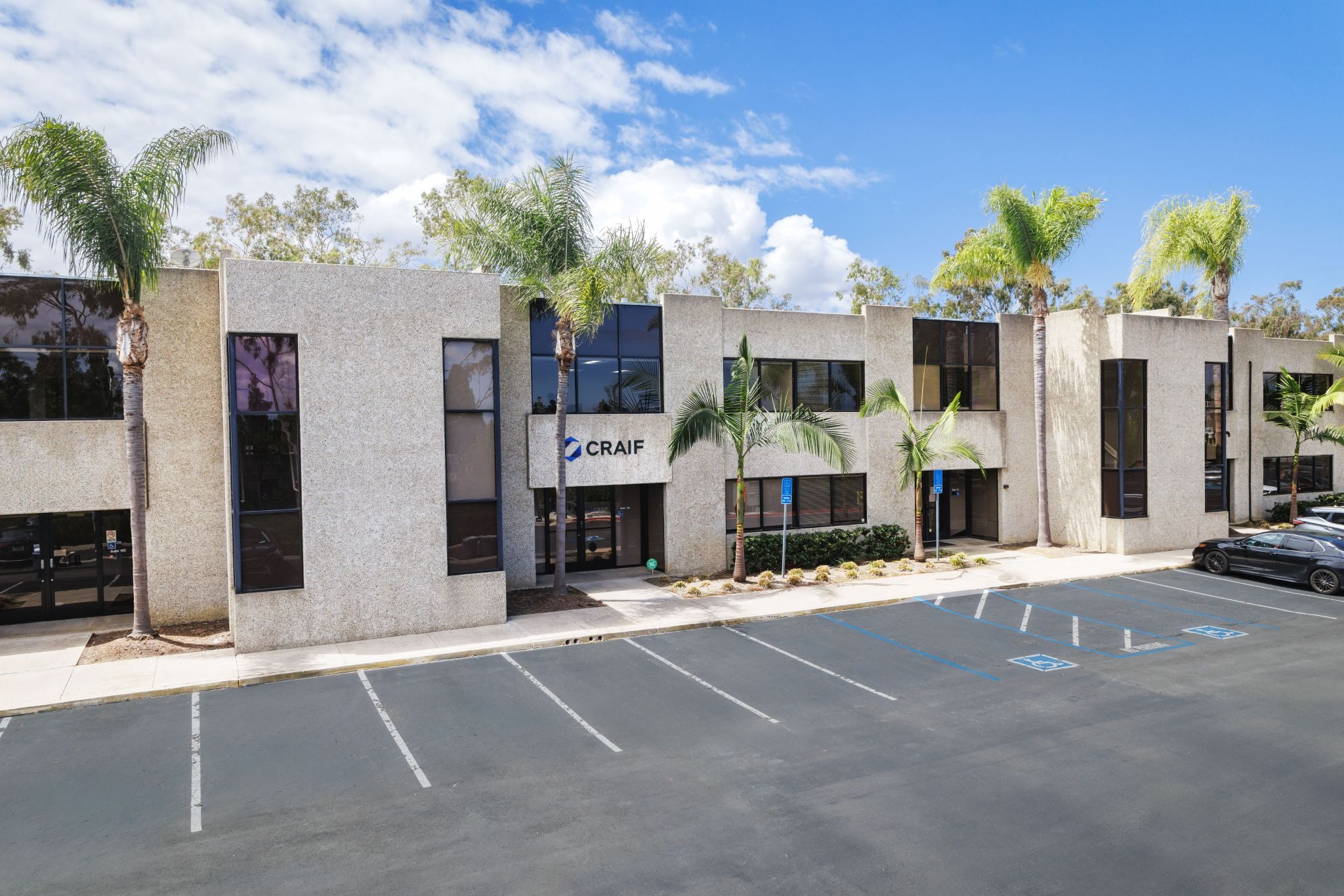
In 2020, Craif had secured space at JLABS, the incubation facility operated by Johnson & Johnson in San Diego. However, the outbreak of COVID-19 disrupted those plans, and the company instead continued its research, development, and business development activities from Japan.
"Research and development could be carried out at a lower cost in Japan, and we were able to build things carefully while maintaining quality and reproducibility."
Looking back, Mizunuma says that this period spent in Japan ultimately had significant value.
At the end of 2025, CEO Ryuichi Onose relocated to the United States. The company also appointed Takeo Mukai as CFO and advanced local hiring efforts. Today, Craif is building its business structure in the United States.

The Difference Is Not Only the Market, but Also the Criteria for Evaluation
Why is Craif so committed to the United States? One reason is the maturity of the market.
Preventive healthcare is more widely embraced in the United States, and the liquid biopsy* field that Craif is pursuing is more advanced there. Investors and industry stakeholders also have a stronger understanding of the space.
As a result, conversations with investors feel different from those in Japan.
*A testing technology that analyzes biological components found in bodily fluids such as blood or urine to examine the presence of disease, disease risk, and disease status.
"In the United States, particularly in deep tech and biotech, it is uncommon to be asked about revenue. The main points of discussion are whether the technology has a path to success and how detailed the execution plan is. In that sense, competing in the United States, where discussions can be centered on technology, is a rational choice for a biotech company."
At the same time, the challenges are substantial, including differences in regulations and healthcare systems, as well as high research and development costs.
"Regulations and healthcare systems are completely different between Japan and the United States. You can speak with experts from Japan, but there is a great deal of information that only becomes visible when a team is on the ground and fully committed locally.
Another major difference is research and development costs. Even when doing the same thing, it feels as though money disappears ten times faster in the United States. Even collecting a single urine sample costs an entirely different order of magnitude. The reality is that everything is expensive."
Even so, the United States has a concentration of talent with experience in highly specialized fields, making it easier to recruit experts.
While the hurdles are high, Mizunuma believes that, given the size of the market, there is significant value for a biotech company in taking on the challenge of the United States.
Not Everything Belongs in the United States: A Strategy That Leverages the Strengths of Both Japan and the U.S.
Interestingly, Craif is not moving everything to the United States.
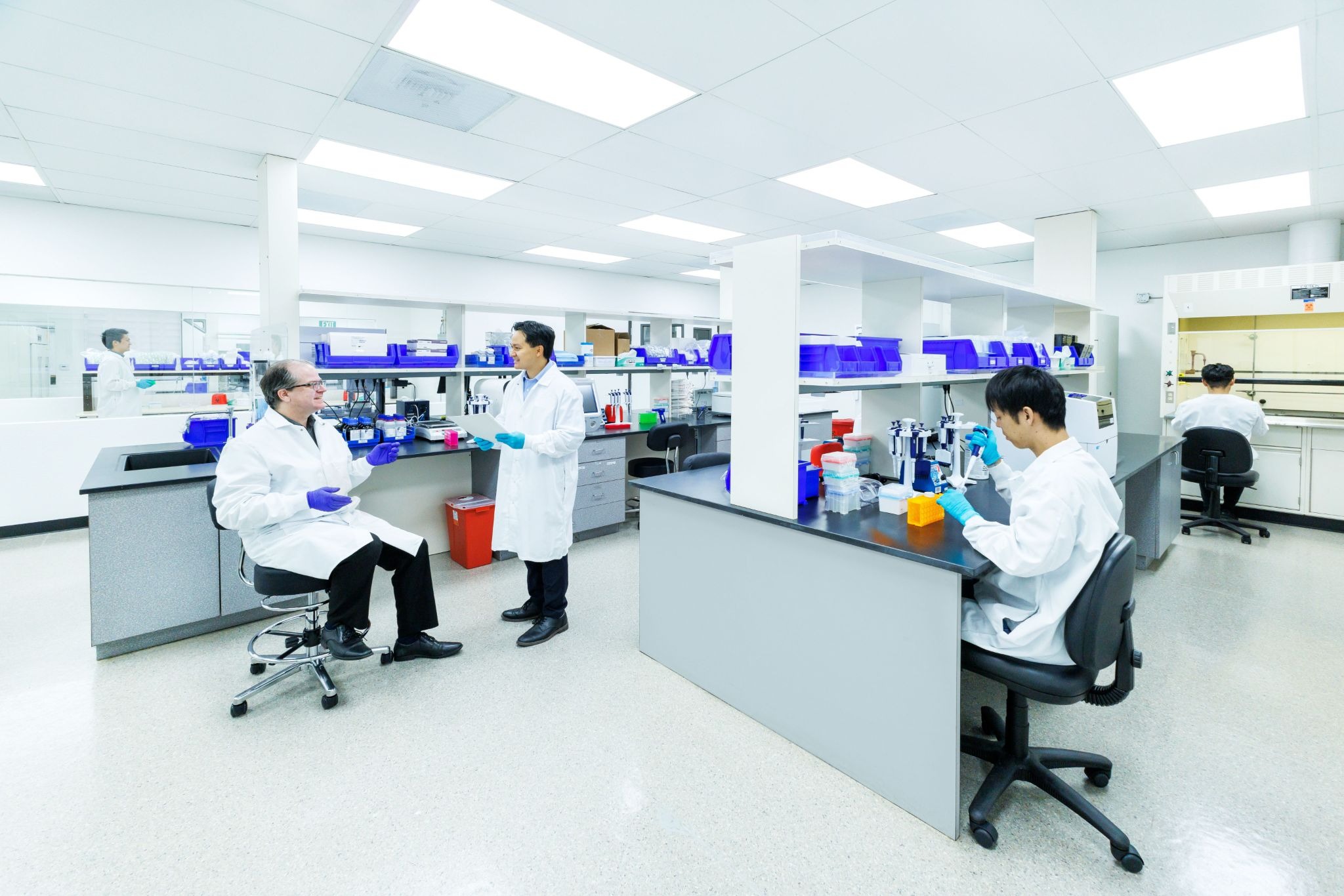
Much of its research and development infrastructure remains in Japan, and the company continues to operate its business domestically. Mizunuma says it is important to leverage the strengths of both Japan and the United States.
"There are things that are better done in Japan, and there are things that can only be done in the United States."
Craif has established a hybrid structure in which research, development, and business operations are carried out in Japan, while fundraising and global expansion are driven from the United States.
Going forward, the company aims to achieve profitability in its Japan business and create a structure in which cash generated domestically can be reinvested into its U.S. operations.
Communicating the Challenge Leads to the Next Opportunity
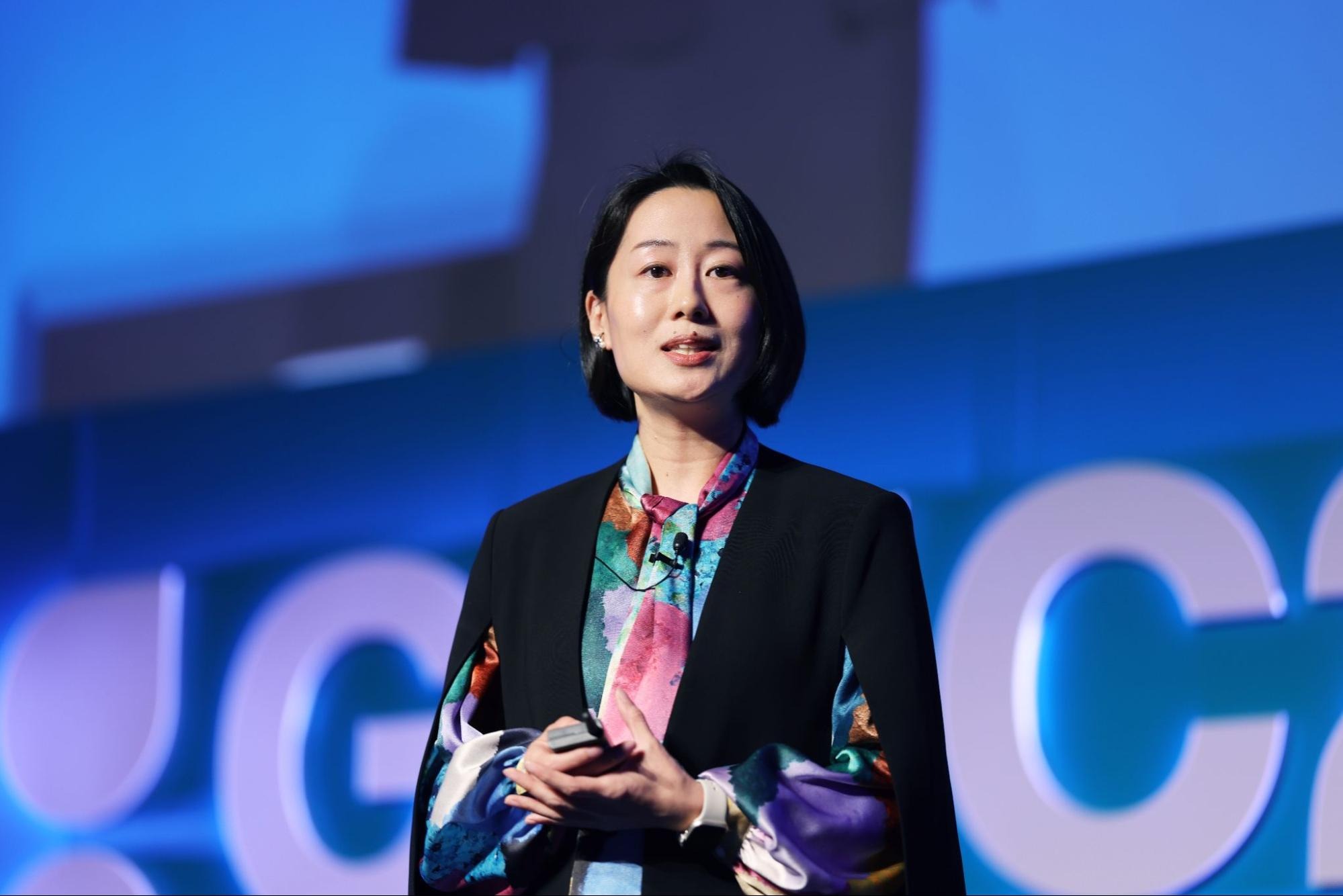
For Craif, which is simultaneously advancing research and development, its business in Japan, and its business in the United States, proactively communicating what the company is doing is an important part of its strategy.
"We are a company with so many things we want to accomplish. But no matter how exciting those challenges are, if people don't know about them, we won't be able to attract new teammates or create new opportunities."
With that in mind, Craif took the stage at GRIC PITCH, the pitch competition held as part of GRIC, one of Japan's largest growth industry conferences.
GRIC brings together startups, large corporations, investors, researchers, and many other players. Looking back, Mizunuma says it provided an opportunity to communicate not only the company's business but also the future it hopes to realize and the challenges it is taking on.
"The first step is simply getting people to know who we are."
In fact, following its appearance at GRIC PITCH and subsequent media coverage, opportunities for people to learn about the company have expanded.
For challenges such as global expansion and research and development, where it takes time before results become visible, each new encounter and each increase in awareness helps create future opportunities and supports business growth.
Technology Creates Value Only When It Reaches Society
Craif's challenge does not end with cancer.
The company is also pursuing new research themes, including dementia risk assessment and biological age measurement.
At the same time, what Mizunuma repeatedly emphasizes is the importance of delivering technology to society.
In a demonstration project conducted in Hokkaido using miSignal, there were actual cases in which cancer was detected early, treatment was initiated promptly, and patients were able to return to society sooner.
"If cancer is found early, it does not necessarily have to take away someone's life. We want to create a world where people can say, 'I'm glad it was found.'"
Rather than simply developing technology, Craif is committed to seeing it through until it reaches society.
The company continues that challenge in both Japan and the United States.


.webp)


